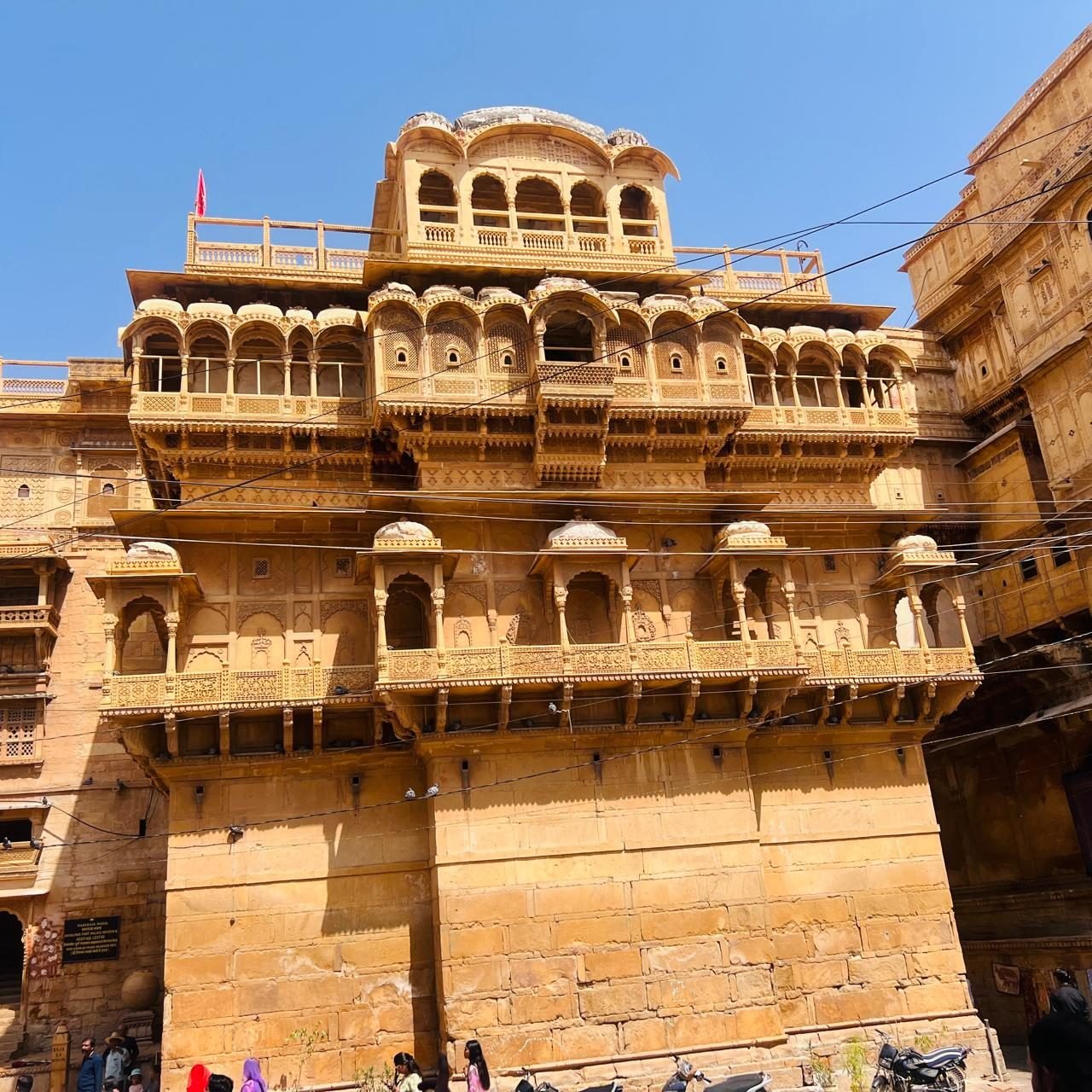
A full itinerary can leave very little room to enjoy a place. My approach to a gentler travel plan begins with one main outing and space around it.
Choose one anchor
Pick the experience that matters most: a museum, a historic neighbourhood, a garden or a long lunch. Group any smaller stops nearby rather than crossing a city repeatedly. Check opening times directly with the venue before setting out.
Make the journey part of the plan
Allow time for finding transport, walking from the stop and taking a break. A map can show distance without showing how tiring the day will feel. Comfortable shoes, water and a realistic pace matter more than fitting in another landmark.
Leave an open hour
An unplanned hour gives you room for an interesting side street or a longer conversation over coffee. It also absorbs a delayed journey without turning the whole day into a rush. Decide which stop you would happily skip before you leave.
Keep a small record
Write down the name of the place, what caught your attention and anything useful for a return visit. A few specific notes are more valuable than dozens of similar photographs. If photographing people or private spaces, ask first.
A slower day still needs a little preparation. Once the essentials are settled, the best part is having enough attention left to notice where you are.
Turn a wish list into a usable day
Give every stop a purpose
Choose one main experience and write why it matters. Then mark the rest as nearby possibilities. If two stops offer much the same experience, select the one that best suits the route and the group. A long wish list can stay in your notes without becoming the day’s promise. This is especially useful when people have different walking speeds or want different amounts of time inside a museum.
Put the unglamorous details on the page
Write down the meeting point, the venue’s last admission, a meal break and the return option. A short visit with a long approach may need more time than a larger attraction near your accommodation. Before leaving, decide where someone can stop comfortably if they do not want to continue. Keep the itinerary accessible offline and agree on how the group will contact each other if separated.
Make the spare hour genuinely spare
Do not fill every gap with a tentative booking. Pick one optional stop you can abandon without losing the point of the day. If the main visit takes longer, use the spare hour there. If it finishes early, a seated pause can be a good use of the time. The plan has worked when it supports the experience, not only when every line has a tick beside it.
A useful question
Does slow travel mean seeing very little?
It means choosing deliberately. You may still see several places, but the order, travel and breaks should make sense rather than competing with the main experience.
Updated 13 November 2026 · Expanded with practical planning details and clearer next steps.