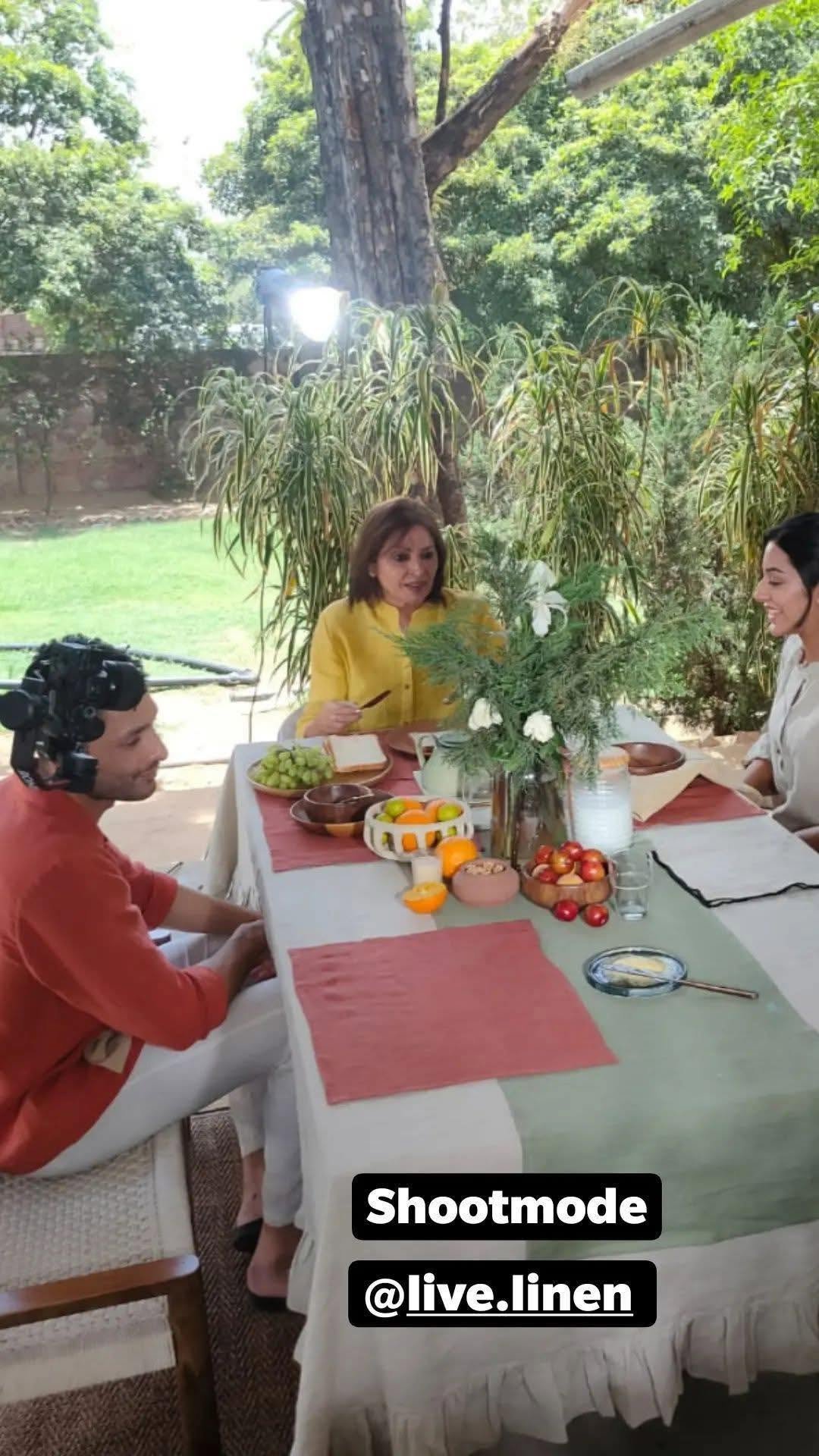
A welcoming table does not need layers of new purchases. I like to think of the setting as a frame for the meal: comfortable, useful and easy to sit around.
Begin with what the meal needs
Set out plates, glasses and only the cutlery the menu calls for. Leave enough space for elbows and serving dishes. If the table feels crowded before anyone sits down, remove a decorative piece rather than squeezing the guests closer.
Keep the centre low
A small arrangement of greenery or a few short stems can bring colour without blocking conversation. Keep foliage clear of food and choose stable vessels. For an outdoor meal, think about wind before adding lightweight decorations or loose paper.
Repeat one colour
A colour repeated in napkins and a simple runner can make mixed crockery feel considered. Matching every item is unnecessary. Texture can do the work too: woven mats with plain plates, or a soft cloth with everyday glasses.
Prepare for the practical moments
Put water within reach and decide where hot dishes will land. A cleared side surface is useful for extra plates and serving utensils. Have a cloth ready for spills so a small accident does not interrupt the meal.
My final check is to sit in one of the chairs. If I can see across the table and reach what I need comfortably, the setting has done its job.
Set the table around the way you will serve
Choose family-style or individual plating first
If dishes are going onto the table, place empty serving bowls and their utensils before adding decoration. Check that guests can reach them without passing over a candle or a fragile arrangement. If the meal is being plated elsewhere, use the extra space for comfortable place settings rather than automatically filling it. A useful table begins with how food arrives and moves between people.
Use a seated test, not only a photograph
Sit in two different places and check the view across the table. Can you speak comfortably, move a chair back and reach water? A centrepiece that seems low while standing can still interrupt the conversation from a seat. Move awkward items to a side surface. Outdoors, test the effect of a breeze on napkins, place cards and lightweight cloths before guests arrive.
Make a small reset tray
Keep spare napkins, a wiping cloth and any extra serving tools together nearby. Decide where used plates will go so the table does not become crowded during the meal. The original photograph, credited to Shootmode / @live.linen, offers styling ideas; adapt them to your actual table, menu and weather rather than treating the whole arrangement as a shopping list.
A useful question
Must the plates and glasses match?
No. Repeating one colour, shape or textile can connect mixed pieces. The important test is that the setting is comfortable and useful for the meal.
Updated 13 November 2026 · Expanded with practical planning details and clearer next steps.