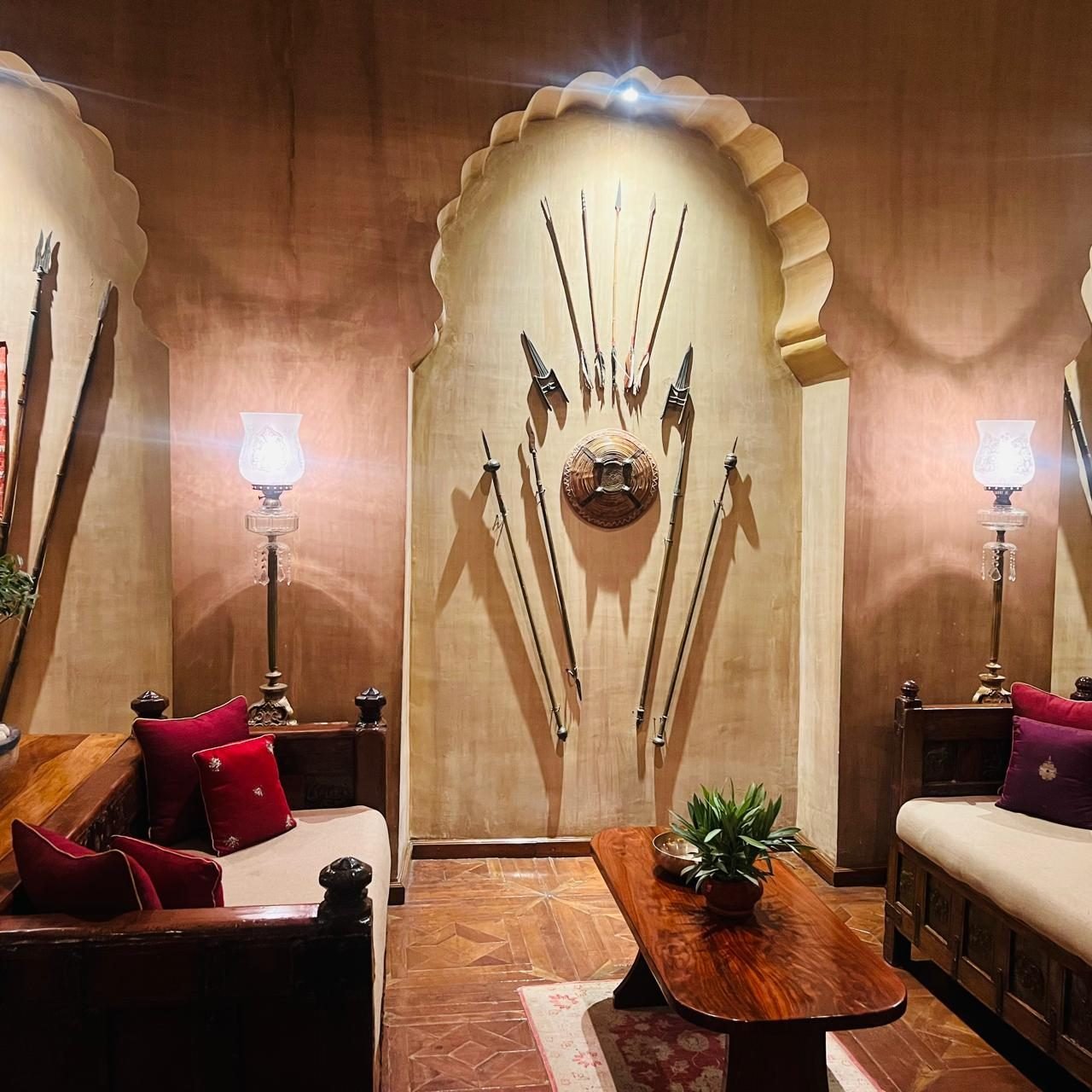
Start with the seat you use most. Is there enough light to read? Can you set down a cup without getting up? Small fixes like shifting a lamp or pulling a side table closer can change how the whole room feels.
Make room before buying
Clear the surfaces, return things that belong elsewhere and take a photograph of the room. Notice the pieces you already like. Move a chair or a small table before ordering anything; a better arrangement may solve what first looked like a shopping problem.
Work with a small palette
Choose two or three colours that sit comfortably with the largest items you are keeping. Repeat them quietly through a cushion cover, a throw or a piece of art. The point is a sense of connection, not an exact match across every object.
Add texture with a purpose
A soft throw can make a reading chair more inviting, while a washable cover makes sense in a busy household. Check care instructions and measurements before buying. Avoid layering rugs or fabrics where they create a slipping or tripping problem.
Consider evening light
Look at the room at the time you actually use it. A reading seat needs useful light; a conversation area may suit something softer. Keep cables out of walking routes and use lamps according to their electrical ratings. Try one change at a time so you can tell what helped.
I would finish by living with the room for a week before adding anything else. A space that works for everyday life is more satisfying than a long list of new purchases.
A room refresh you can assess before shopping
Choose one problem to solve
Describe the room in terms of use: the reading chair is too dark, guests have nowhere to put a glass, or the route to the door is crowded. Pick the most frequent problem first. Photograph the room from the entrance and from your usual seat, then test a small rearrangement. This gives you a reason for a change instead of a collection of objects that look good separately.
Make a short keep, move and mend list
Keep the pieces that work, move items that interrupt the room and repair a useful piece before replacing it. Try a cushion cover or a throw you already have in another room. If you do buy something, measure both the object and the route it needs to fit through. Check care requirements against daily life: a delicate fabric may be a poor match for a seat used constantly.
Look again after a normal week
Use the room at the times it matters. Is the lamp helpful for reading? Does a small table get in the way? Is the new throw used or continually moved aside? Keep the changes that make the room easier to inhabit and reverse those that only work in a photograph.
A useful question
What should I buy first?
Wait until a practical gap is clear. If moving or repairing something solves it, you may not need a new purchase.

Updated 13 November 2026 · Expanded with practical planning details and clearer next steps.